A Safe and Effective Method for Restoring During Sleep
For the most part, restoring during sleep is generally not recommended. The primary reason why is that there are some safety concerns. Nocturnal erections are the biggest obstacle for restoration while sleeping. A device needs to be able to accomodate erections and apply tension in a manner without causing injury. Most restoration devices also restrict circulation to the skin and need to be periodically removed every few hours. One sleep method restorers have used is T-tape with an elastic strap that pulls upward over the shoulder or attached to a headboard. Although this reduces some of the issues, there is always some risk of injury due to unconscious movements during sleep.
Although most men who have restored their foreskin have done so during waking hours only, it would be more efficient, and possibly faster if all 24 hours of the day could be utilized. But, in order to do so, there needs to be a restoration method that meets these requirements:
Can accommodate nocturnal erections
Does not restrict circulation
Does not have straps, cords, or any other parts that could get snagged during sleep movements
Does not interrupt or disturb sleep
After playing around with various ideas, I have finally settled on one that I think is the best. For now, I am just calling it The Nasal Strip Method.
As the name suggests, the inspiration for this idea came from nasal strips that are used to open the nasal passages during sleep to increase airflow. Nasal strips are just flexible strips of thin plastic covered in adhesive. The strip is applied over the nose in a flexed position, and the force of the plastic wanting to return to its rigid position pulls the nasal valves up and open.
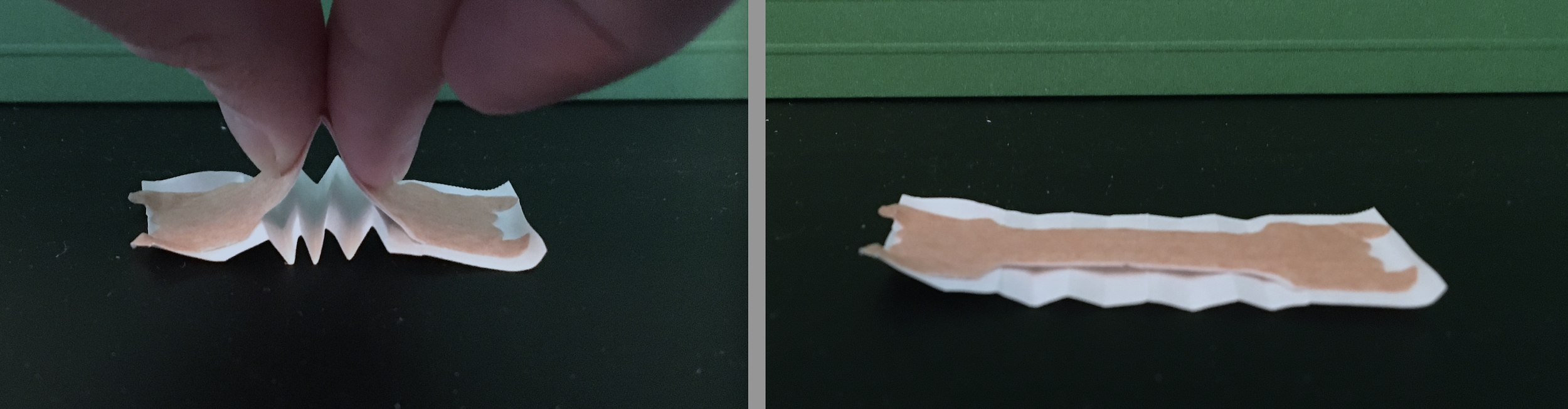
The thought was, can we use the simple spring-loaded force of a nasal strip to apply tension to the foreskin? It turns out that just putting nasal strips vertically on the foreskin does effectively apply enough force to cause skin growth over time. Not only that, but they can be used in such a way that meets all of the requirements for restoring safely during sleep.
The method is very simple: Nasal strips are applied vertically around the foreskin while the skin is pulled taut. This should be done while erect, in the same way that T-tape normally is. The rigidity of the plastic then keeps the skin taut while flaccid. It is not necessary or ideal to have strips around the entire circumference of the skin. Some space in between each strip allows for circumferential expansion, which allows it to easily accommodate erections. If there is too much space in between each strip, the skin in between can sag and lose too much tension. Depending on the width of the strip, 4-6 strips evenly spaced out around the circumference of the skin tube should be sufficient. The strips should be placed just below the point of equilibrium (a detailed explanation of the POE can be found in The Complete Guid to Foreskin Restoration).
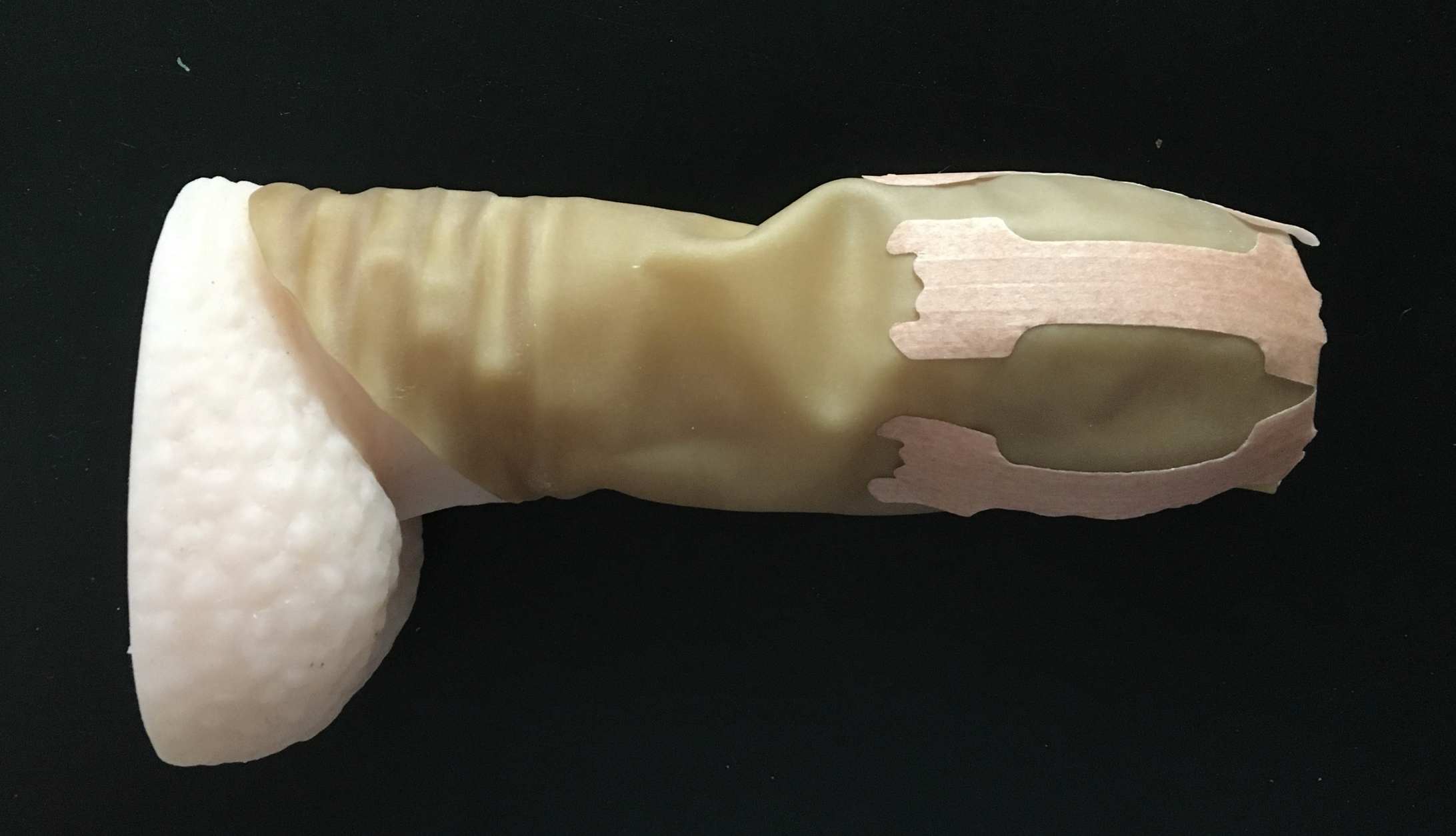
This is an oversized model. Ideally, strips would cover the entire length of the outside of the skin tube.
Before using the nasal strip method at night, it should be trialed first during the day, and tested with an erection. This method should give about the same amount of force, or slightly less, than a packing device. Nasal strips are designed for skin use, and even the strongest nasal strips are not strong enough to cause any injury. Unless the skin is pinched under the strip, it will not restrict circulation. Not only is this a good sleep method, but it can be used during the day as well, and functions as a retainer. It is also a great method for beginners with tight skin who are unable to use devices. For most restorers though, it is easiest to use their preferred device during the day, and nasal strips at night.
Create your own strips:
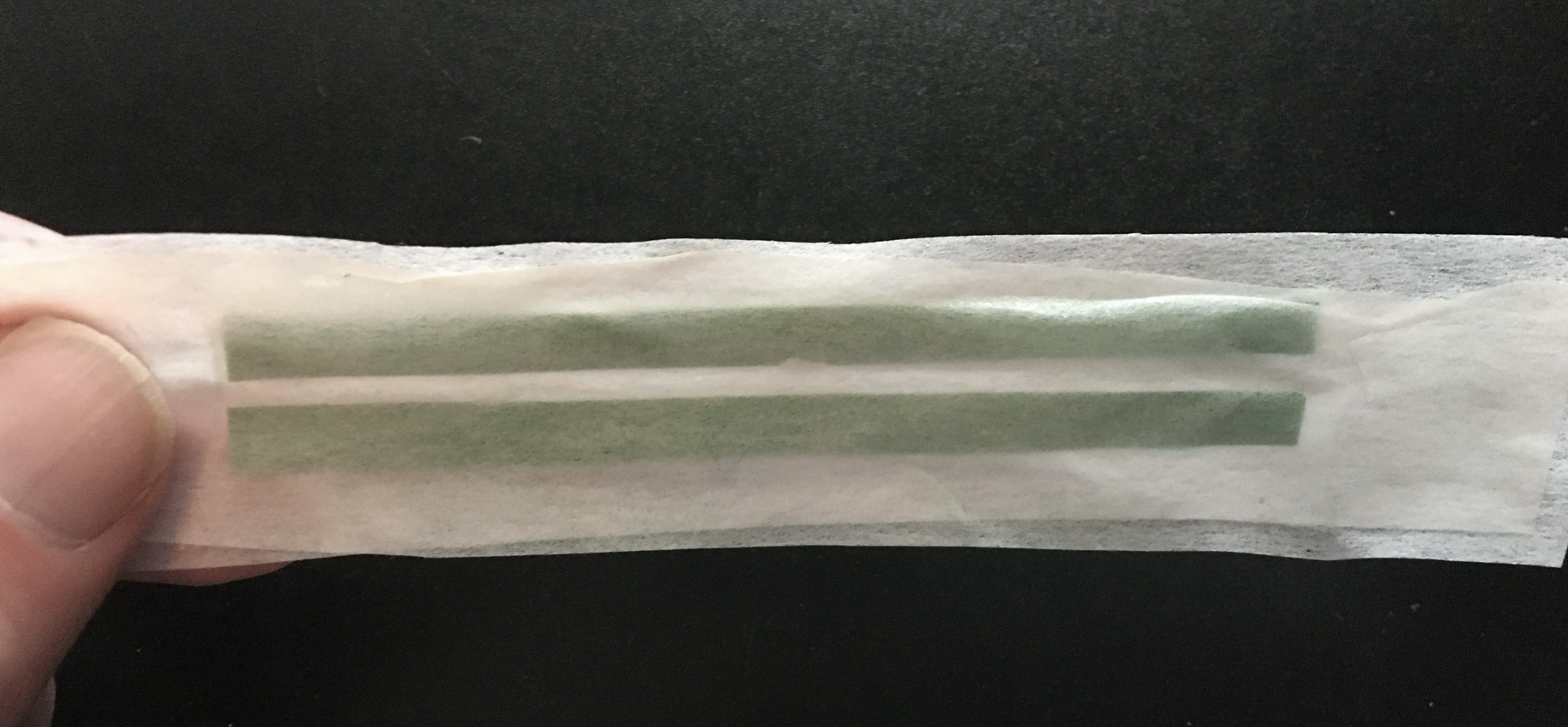
One downside to this method is that nasal strips can be expensive. Four to six strips per night can cost $0.50 to $1 per night, which adds up over time. You can create your own strips with just micropore tape and some sort of thin, flexible material. Thin plastic like what is used in commercial nasal strips works, but I have found that even thin cardboard or heavy card stock is strong enough. Don’t use anything too rigid or sharp that could cause injury. Another benefit of making your own is that you can customize the length and width, as well as the strength, depending on what material is used.
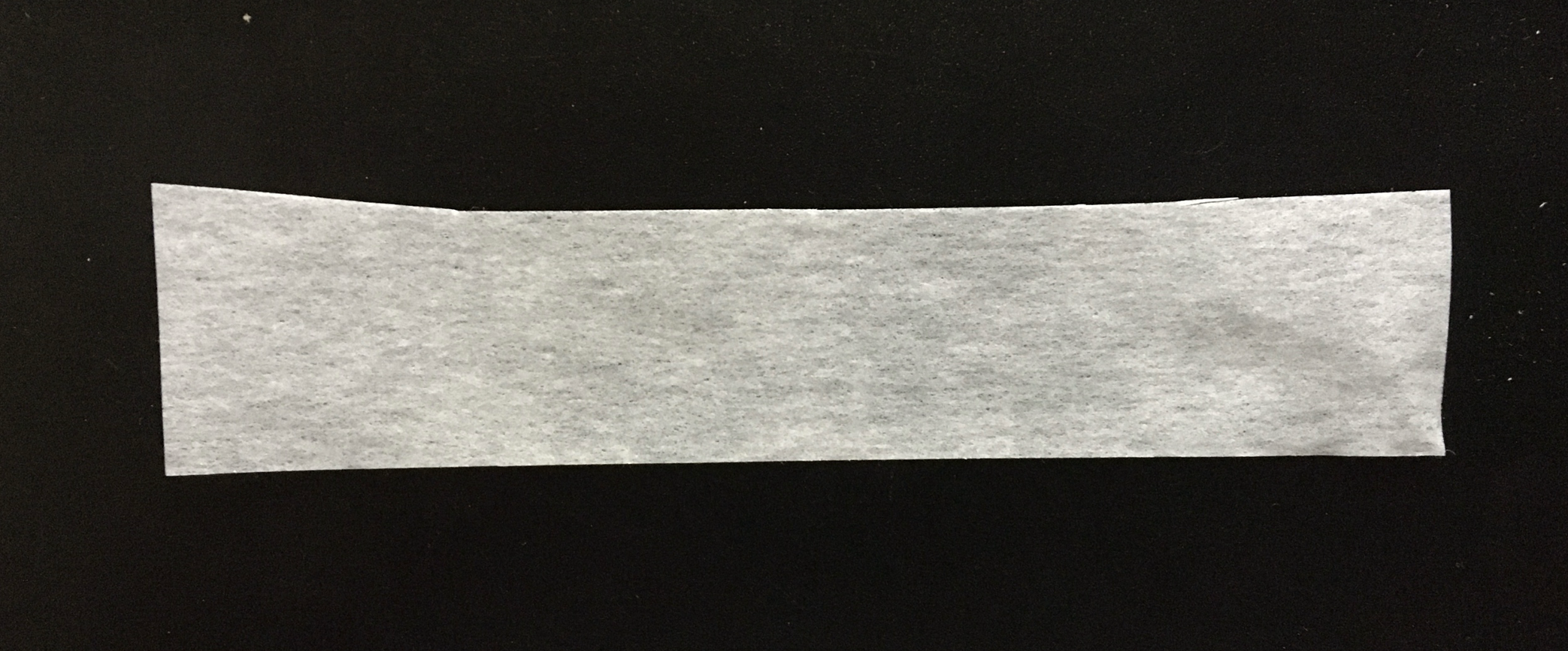
1. Lay tape sticky side up
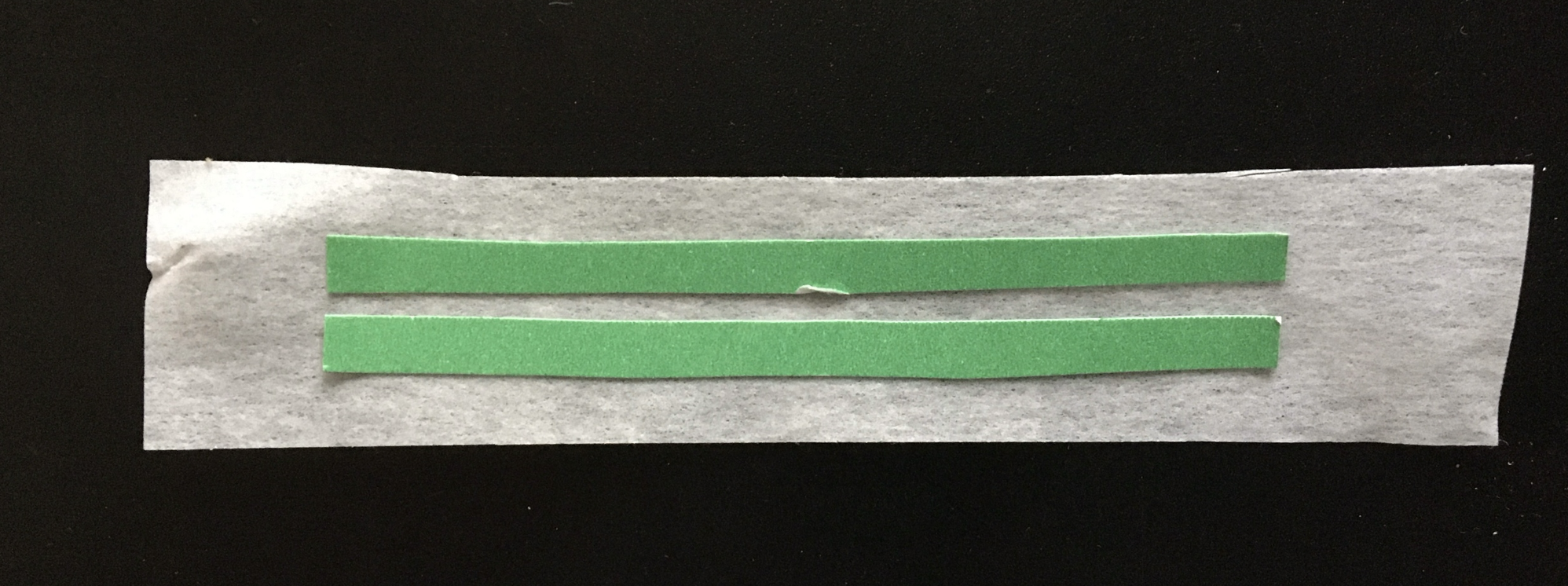
2. Place strips on the tape
3. Place another piece of tape, also sticky side up, on top (if the tape has backing leave it on until use)
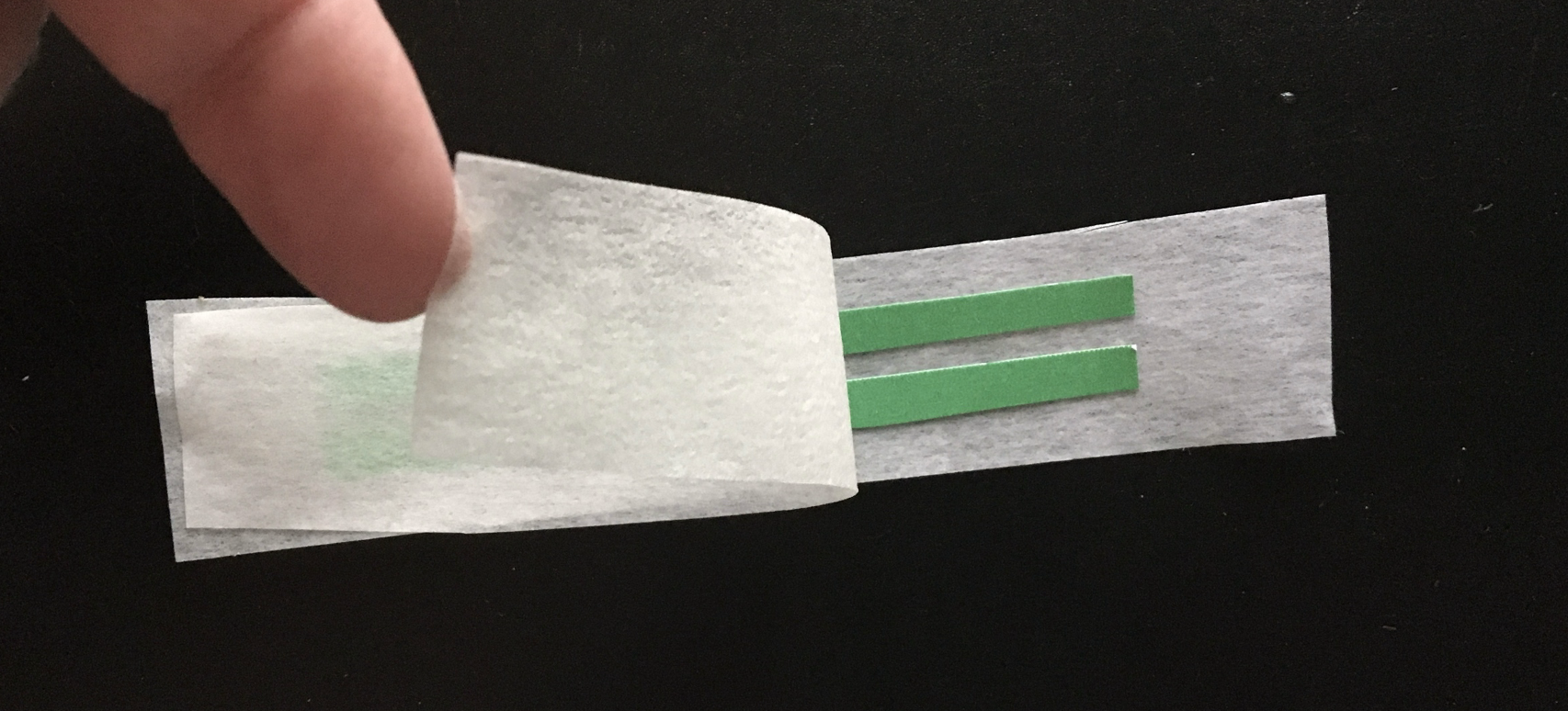
4. These can be made in bulk and cut to size for later use
Conclusion
Experience has shown that time under tension is critical to effective and fast restoration, and utilizing sleeping hours can maximize this variable. The nasal strip method is a safe, effective, and comfortable way to restore during sleep. Anyone from beginning to advanced restorers can use the method, and it is easy and accessible. It is a simple concept that works as I have shown, but it can probably be improved upon be others willing to try it out.